Creating a cozy, stylish, and welcoming home doesn’t require a massive renovation budget or an interior design degree. Across the United States, home decor trends have increasingly shifted toward practical, clean, and comfortable living. American home style balances relaxed comfort with functional beauty, prioritizing spaces that feel lived-in yet curated.
Whether you reside in a breezy coastal cottage, a modern urban apartment, or a suburban family home, bringing a fresh look to your space comes down to a few accessible design principles. Here is a guide to simple, effective home decor ideas inspired by classic and contemporary American living.
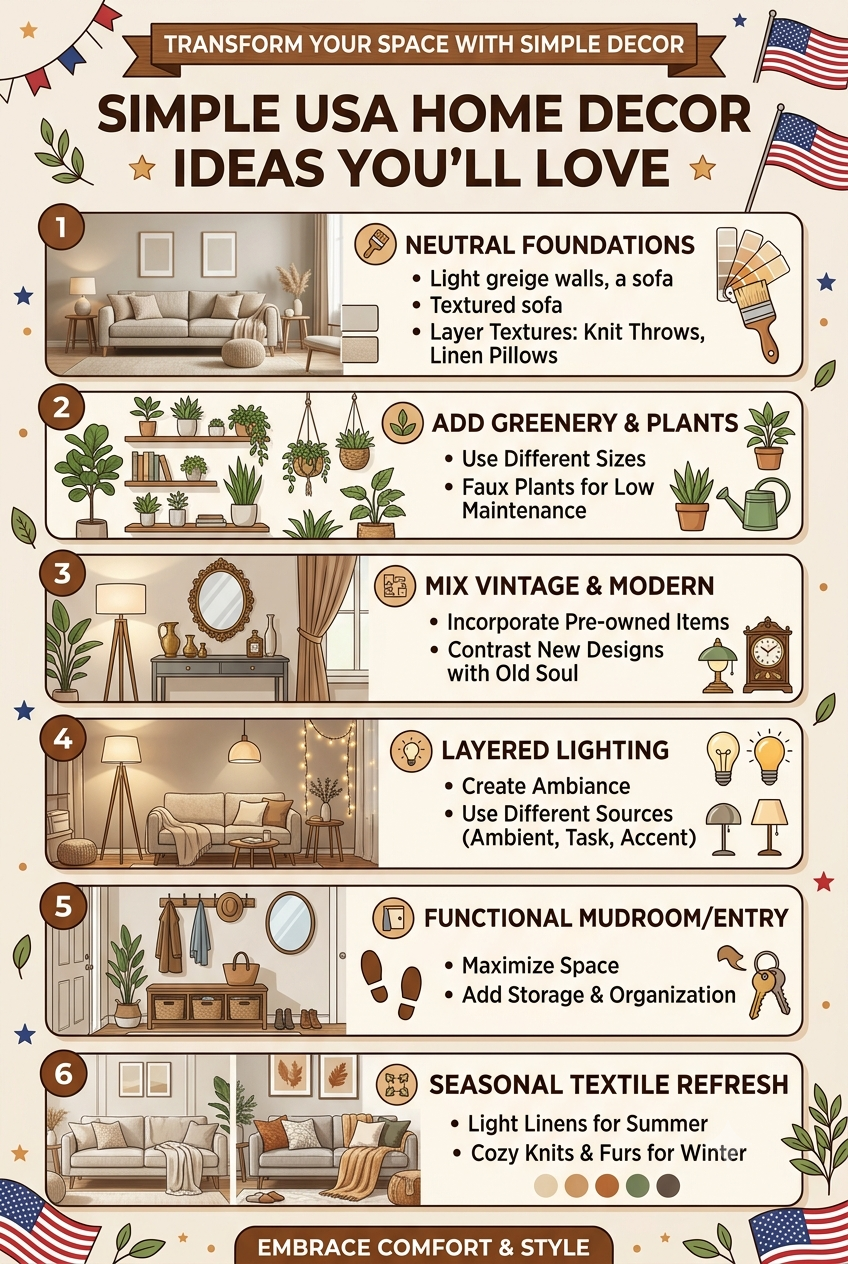
1. Embrace the Power of Neutral Foundations
One of the most defining characteristics of modern American interior design is the use of a clean, neutral color palette. Shades of off-white, warm beige, soft taupe, and subtle grays create a serene canvas that maximizes natural light and makes rooms feel larger.
Wall Colors: Consider painting high-traffic areas like living rooms and hallways in warm off-whites or soft greiges. These tones offer a softer feel than stark pure white while keeping the space bright.
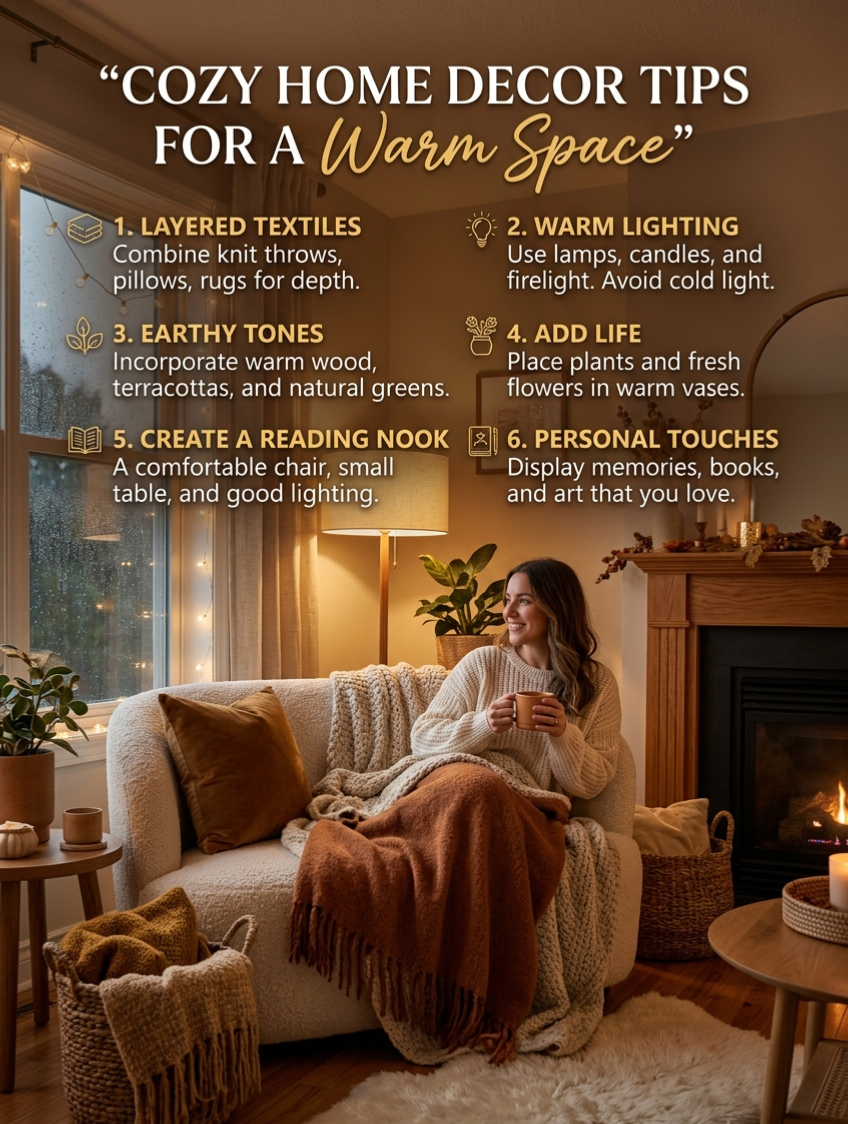
Layering Textures: To prevent a neutral room from looking flat or sterile, rely heavily on texture. Combine a linen sofa with a chunky knit throw blanket, velvet accent pillows, and a natural fiber rug like jute or sisal.
Flexible Accent Pieces: Neutral foundational furniture—such as sofas, dining tables, and main rugs—allows you to easily update your accent decor with changing seasons or evolving tastes without replacing major items.
2. Bring Nature Indoors with Houseplants
Biophilic design—incorporating natural elements into living spaces—remains one of the easiest ways to elevate any interior. Plants add vibrant color, air-purifying qualities, and organic shapes that soften hard architectural lines.
If maintaining living plants feels daunting, high-quality faux greenery or displays of dried stems—such as pampas grass, eucalyptus, or olive branches in ceramic vases—offer a low-maintenance alternative.
3. Mix Vintage Finds with Modern Accents
The “transitional” style—blending traditional and contemporary elements—is a hallmark of popular American decor. Decorating entirely with brand-new catalog furniture can sometimes leave a home feeling impersonal. Mixing vintage or thrifted items with sleek modern pieces adds character, story, and warmth.
Anchor Items: Pair a sleek, modern sectional sofa with a reclaimed wood coffee table featuring distressed finishes.
Thrifted Accessories: Look for vintage brass candleholders, antique frames, or handcrafted stoneware at local flea markets or estate sales.
Artwork Contrast: Place modern abstract art inside ornate traditional frames, or mount vintage black-and-white photographs in minimalist thin black frames.
4. Upgrade Your Lighting Architecture
Lighting profoundly affects the ambiance of a room. Standard builder-grade overhead lighting often casts harsh downlight that flattens a space. A layered lighting approach creates depth and warmth.
The Three Layers of Lighting:
Ambient Lighting: General illumination, such as recessed lights, flush mounts, or woven pendant lamps.
Task Lighting: Functional lighting focused on specific activities, including reading lamps beside an armchair or under-cabinet LED strips in the kitchen.
Accent Lighting: Decorative lighting used to highlight architectural features, art, or shelving, such as small picture lights or low-wattage table lamps.
Warm Color Temperature: Opt for LED bulbs rated between 2700K and 3000K (warm white) throughout living areas to foster an inviting, relaxing environment.
5. Style Functional Entryways (Mudrooms & Foyers)
The entry area sets the tone for your entire home. In American home design, the entry serves a dual purpose: welcoming guests and keeping daily clutter organized.
Catch-All Stations: Place a small console table or wall shelf near the front door equipped with a decorative ceramic bowl for keys, mail, and sunglasses.
Vertical Storage: Install a row of sturdy brass or matte black wall hooks for coats, bags, and dog leashes.
Seating and Rugs: Add a low wooden bench with basket storage underneath for shoes, and lay down a washable accent rug or runner to handle outdoor foot traffic gracefully.
6. Curate Open Shelving with Intention
Open shelving in kitchens, dining nooks, and living rooms offers a great opportunity to display personality. The key to successful shelf styling (often called “shelfies”) is balance rather than overcrowding.
The Rule of Threes: Group items in odd numbers (1, 3, or 5) for a visual balance that naturally pleases the eye.
Varying Heights: Combine items of different dimensions—such as tall ceramic vases alongside stacked hardcover coffee table books and small framed prints.
Color Cohesion: Keep the color palette of displayed items aligned with the rest of the room. In a kitchen, display functional everyday items like white stoneware dishes, clear glassware, and wooden cutting boards alongside decorative accents.
7. Focus on Gallery Walls and Statement Art
Empty walls can make a home feel unfinished. Large-scale artwork or a well-planned gallery wall instantly anchors a room and serves as a natural focal point.
Grid Layout vs. Salon Style: A symmetrical grid of identical frames creates a clean, architectural look suitable for family portraits or botanical prints. An asymmetric, “salon-style” gallery wall allows for a mix of art styles, sizes, and frame finishes.
Personalization: Frame items that carry personal meaning, such as vintage travel maps, architectural sketches of places you’ve visited, or personal photography printed in black and white.
Scale Matters: When hanging art above a sofa or console table, ensure the artwork covers approximately 60% to 75% of the furniture’s width to keep visual proportions balanced.
8. Refresh Textiles Seasonally
Swapping out soft furnishings is one of the quickest, most cost-effective ways to update your space without buying new major furniture.
Spring & Summer: Transition to lightweight fabrics. Use crisp linen cushion covers, sheer window curtains to let light filter through, and lightweight cotton throw blankets in soft pastel or coastal tones.
Fall & Winter: Introduce richer, warmer textures. Layer in heavy velvet pillows, faux fur throws, wool rugs, and deeper earth tones like forest green, burnt orange, and rich navy.
Sustainable and Budget-Friendly Decorating Tips
Decorating your home should be an enjoyable process, not a financial burden. Keep these practical habits in mind:
Shop Your Own House: Before buying new items, try moving rugs, artwork, or decorative objects from one room to another. A lamp from the bedroom might breathe new life into a living room side table.
Focus on Paint: A simple coat of paint remains the single highest-return DIY update available. Painting an accent wall, kitchen cabinets, or an old piece of furniture can completely transform a space for under $100.
Prioritize Quality Over Quantity: Invest in durable, timeless main pieces (like a high-quality sofa or dining table) and economize on decorative accessories that can easily be updated over time.
By focusing on functional layouts, warm lighting, natural elements, and thoughtful layering, you can create a classic American home aesthetic that is stylish, comfortable, and tailored to your daily life.